
Have you ever wondered about the vibrant threads connecting today's musical diversity across cultures to the ancient rhythms of tribal traditions and folk songs? This observation has been echoed by various scholars, including anthropologists and musicologists, who have delved into the origins of music. Tholkaappiyam, the first book in the Tamizh language, records various ancient song forms. These song forms were mostly prevalent as folk (Naattaar) songs (நாட்டார் பாடல்கள்). In 1911, M. M. Chadwick, a Professor at the Cambridge University, compared the Germanic and Greek epics and proved that both originated from ancient ballads (narrative songs). The American scholar Milman Parry, writing in the 1920s, showed that the Homeric epics, the Iliad and the Odyssey, long regarded as models of literary virtuosity, were in fact the product not of a literate but of an oral tradition. All Puranas, Ithihasas and Epics were derived from ancient narrative songs. The base story of Silappathikaaram was sung in folklore songs, marking its origins in traditional music narratives.
Music as the Heartbeat of Ancient Tamil Society
Music has been an integral part of the life of ancient Tamils. From the songs performed for various events and rituals, we can see that music was integrated into the movement of everyday life. These oral traditions, exemplified in epics such as Silappathikaram (சிலப்பதிகாரம்), underscore the deep connection between music and life in ancient Tamizh society. Researchers suggest that music and dance originated from rituals such as the Velan Veriyaattu (வேலன் வெறியாட்டு) . The primordial forms of music are Kuravai (குரவை), songs of the bard (Paanar பாணர் பாடல்) and narrative songs. But the earliest form of all these is the lullaby (தாலாட்டு) form. A mother's lullaby to her child is the first introduction to music.
The custom of four or five women gathering together and rolling their tongues and casting an ululation (Kulavai - குலவை) has served as a method of declaring festivity in the house on festive occasions such as child birth, puberty, wedding; and music finds a place even in death when life ends, in the form of threnody (oppari - ஒப்பாரி). Thus the rituals and customs of the time often reflected the significance of music as a pillar of tradition. Our forefathers used these forms of music which do not require instruments - for entertainment, to forget the fatigue of work and to share joys and sorrows.
The diverse expressions of Naattaar Songs in our literature
The two-thousand-year-old ‘Tholkaappiyam’ records various ancient song forms. Velan veriyaattu (வேலன் வெறியாட்டு) song, Valamai (வளமை) song, Muntherkuravai (முன்தேர்க்குரவை) called Vaal Koothu (வாள் கூத்து), Thaalaattu (தாலாட்டு), Kodi Chirapuppaadal (கொடிச்சிறப்புப்பாடல்), victory song called Kandazhi (கந்தழி), Vallanmai song (வள்ளன்மைப் பாடல் ) and many other auspicious songs can be defined as Naattaar songs. It can be seen that Ulakkai Paattu (உலக்கைப் பாட்டு) also known as Vallai Paattu (வள்ளைப்பாட்டு) of the commoners finds a place in Sangam literature - Kalithogai. Ilangovadigal has recorded Naattaar songs like Aatruvari (ஆற்றுவரி), Chaatruvari (சாற்றுவரி), Mukamudaivari (முகமுடைவரி), Murivari (முரிவரி), Ammanaivari (அம்மானைவரி) in Silappathikaram. Maanikavasakar has recorded Thiruchaazhal (திருச்சாழல்), Thiruthol nokkam (திருத்தோள் நோக்கம்), Thiruthellaenam (திருத்தெள்ளேணம்), etc. Moreover, various Tamizh poets have composed couplets such as Themmangu (தெம்மாங்கு), Chindhu (சிந்து) and Pallu (பள்ளு). The attributes of these couplets from folklore further evolved as refined elements in poet works.
The Legacy of Folk Music in Classical Traditions
The evolution of traditional musical traditions can be seen in the ancient folk music forms, with elements of Naattaar songs echoing in today's musical compositions. For instance, the Carnatic raaga system originated from these traditional musical forms. They are often associated with specific geosystems and seasons. The first song forms of ancient Naattaar songs comprised of oradi, eeradi kanni (ஓரடி, ஈரடி கண்ணிகள்) in musical forms like Thaalaatu (தாலாட்டு), Oppari (ஒப்பாரி), Chindhu (சிந்து), Themmangu (தெம்மாங்கு), Kummi (கும்மி) etc.
Sustaining Tamil musical heritage through folklore music
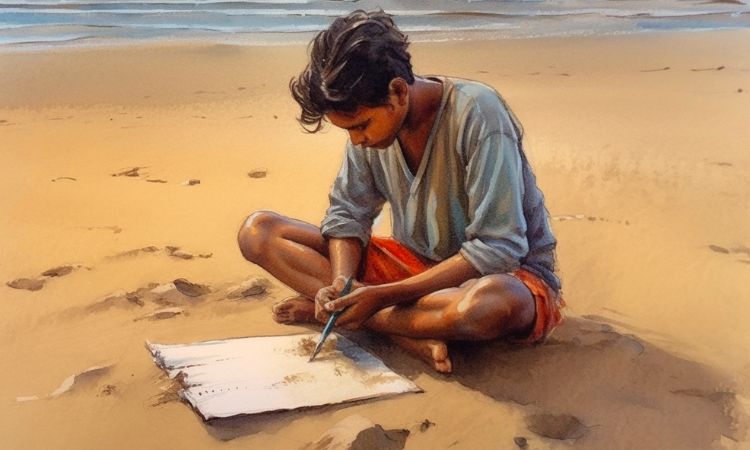
The Naattaar songs such as lullabies were passed down through generations, thus the preservation of these musical traditions relied heavily on oral transmission. They were not written down or practiced. Either one listened to the song and imbibed it and sang it as it was, or as per their imagination, each adapted it to suit their lifestyle. So, mainly by oral transmission these musical traditions were passed down through generations and thus preserved. Musical education has formalized systems. But unlike these systems, the Tamizh oral musical traditions thrived on adaptation and individual interpretation. Folklore serves as the foundation of today’s music system, reflecting the extensive musical knowledge of the Tamils, evident not only in their literary works but also intricately woven into their everyday lives. The enduring presence of music in Tamizh life, despite the passage of time, emphasizes its timeless significance and the profound expertise of the Tamizh community in the realm of music.