In an era dominated by rapid technological advancements, the question of whether the need to learn mother languages will diminish or increase is a topic of considerable debate. On one hand, technology has facilitated global communication, making it easier for individuals to connect across linguistic barriers. Translation tools, language learning apps, and instant communication platforms have undoubtedly made language acquisition more accessible. However, this ease of communication brings with it the responsibility of recognizing the enduring importance of one's mother tongue.
In the face of technological progress, it is equally vital to emphasize the significance of learning and preserving our mother languages. While technology enables us to transcend geographical boundaries, it also underscores the importance of cultural and linguistic diversity. The richness of a language is deeply intertwined with the heritage, traditions, and unique expressions of a community. As we embrace the convenience of global communication tools, there is a growing realization that maintaining proficiency in one's mother language is not just about effective communication but also about preserving identity and cultural nuances.

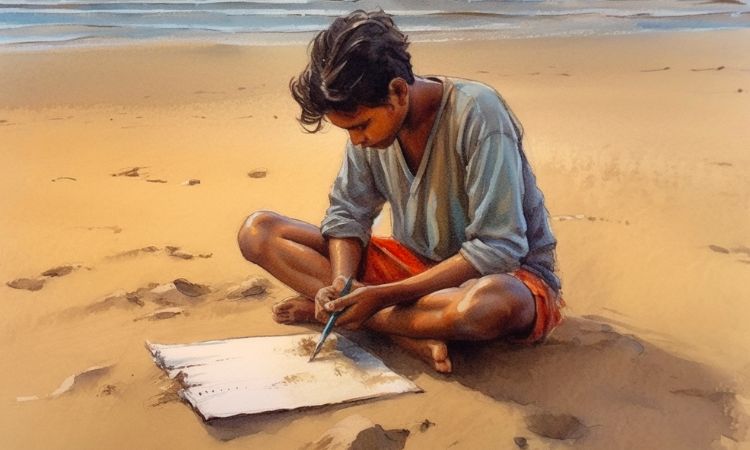
Preserving one's mother language, such as the Tamil language, plays a pivotal role in safeguarding a community's identity and cultural heritage. Language is not merely a tool for communication; it is a repository of history, customs, and values. For Tamil speakers, their language is a vessel that carries the legacy of ancient literature, philosophical thought, and a vibrant cultural tapestry. By preserving and passing down the Tamil language, individuals contribute to the continuity of a rich cultural narrative, ensuring that future generations remain connected to their roots and heritage.
Moreover, the Tamil language encapsulates unique nuances and expressions that may not be fully translatable. These subtleties are woven into the fabric of everyday communication, reflecting the distinct identity of the Tamil-speaking community. As we navigate a globalized world, the role of mother languages, like Tamil, becomes even more critical in maintaining the authenticity of cultural exchanges and fostering a deep understanding of diverse perspectives.
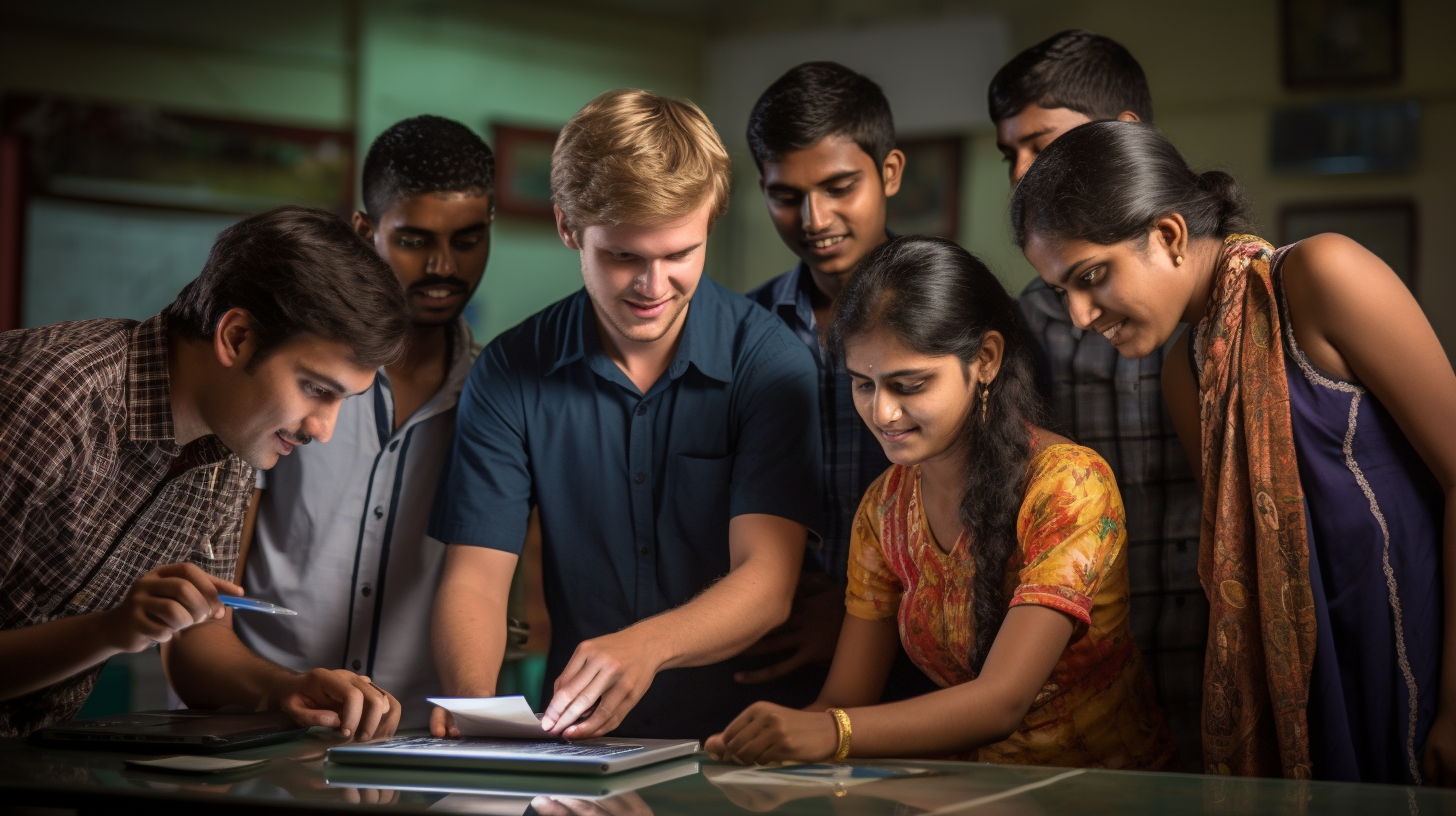
However, the Tamil diaspora faces unique challenges in passing down their linguistic roots to the next generation. Living abroad, they often grapple with providing their children with a strong connection to the Tamil language and cultural heritage. In response to this need, initiatives like Payil Tamil learning courses have emerged, offering tailored language programs that cater to the specific learning needs of the diaspora. These courses provide a bridge between the Tamil community and their linguistic roots, offering a valuable resource for families striving to maintain their cultural identity in a foreign land.
In conclusion, while technology has undeniably transformed the way we communicate, the need to learn and preserve mother languages, especially languages like Tamil, remains as crucial as ever. In a world that values both global connectivity and cultural diversity, individuals stand to benefit from maintaining a strong connection to their linguistic roots. As we navigate to the future, striking a balance between embracing technological progress and nurturing our linguistic heritage becomes crucial for fostering a truly interconnected and culturally rich global
Register here: https://karky.in/payilcourses/
For busy individuals, recorded courses offer the flexibility to learn at their own pace.
Register here: https://payil.karky.in/