
Tamil, one of the world's oldest living languages, has thrived for thousands of years, withstanding invasions, reforms, and societal changes. Its remarkable resilience and adaptability have allowed it to not only preserve its rich literary and cultural heritage but also embrace modern trends and technology. In this blog, we will explore the enduring nature of Tamil language and how Tamil language computing plays a pivotal role in making Tamil accessible and user-friendly in the digital age.
Preserving the Ancient Legacy
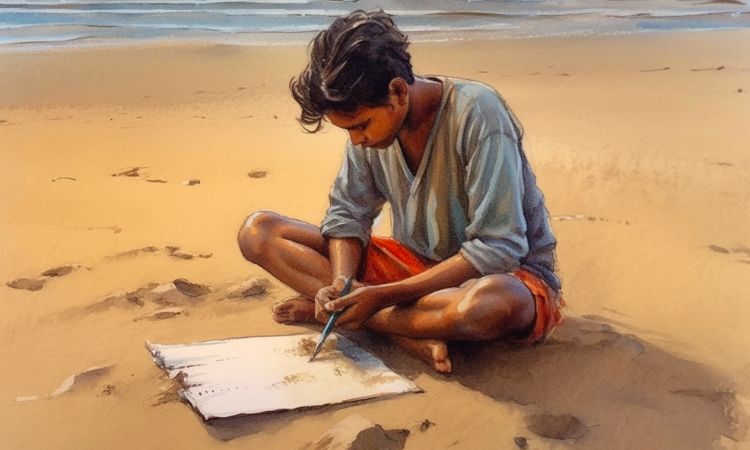
Tamil boasts a rich history that dates back over two millennia, with its roots deeply embedded in the Sangam literature, a collection of ancient Tamil works. Despite numerous invasions and political changes throughout history, Tamil has managed to retain its unique identity, serving as a powerful symbol of cultural pride for its speakers. The unwavering dedication of scholars, poets, and linguistic enthusiasts to preserve Tamil's literary treasures has played a significant role in its survival.

Adapting to Changing Times
One of the key reasons behind Tamil's resilience lies in its ability to adapt and evolve with changing societal dynamics. Tamil has embraced linguistic changes, absorbing influences from other languages and cultures while still maintaining its distinct character. Tamil is known for its unique and extensive lexicon, and many scholars emphasize its distinctiveness and the richness of its vocabulary. Tamil's ability to maintain its distinct character and rich vocabulary is a testament to its enduring nature and the pride of its speakers in preserving their linguistic heritage.
Tamil's Compatibility with Technology
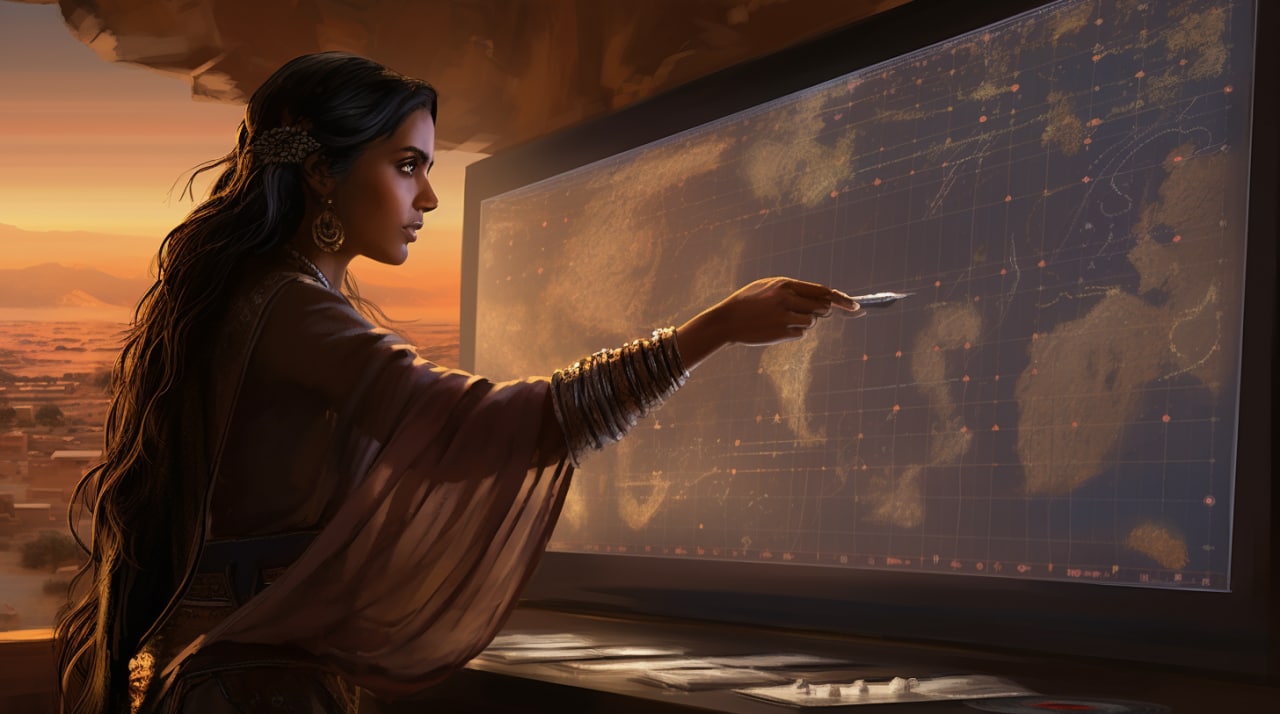
In the digital era, where technology plays an integral role in communication and information exchange, Tamil has not only embraced modern trends but also leveraged language computing to make the language more accessible and user-friendly. Tamil language computing refers to the development of tools and technologies that enable the processing, analysis, and representation of Tamil language data in digital form.
Tamil Language Computing - Empowering the Tamil-speaking Community
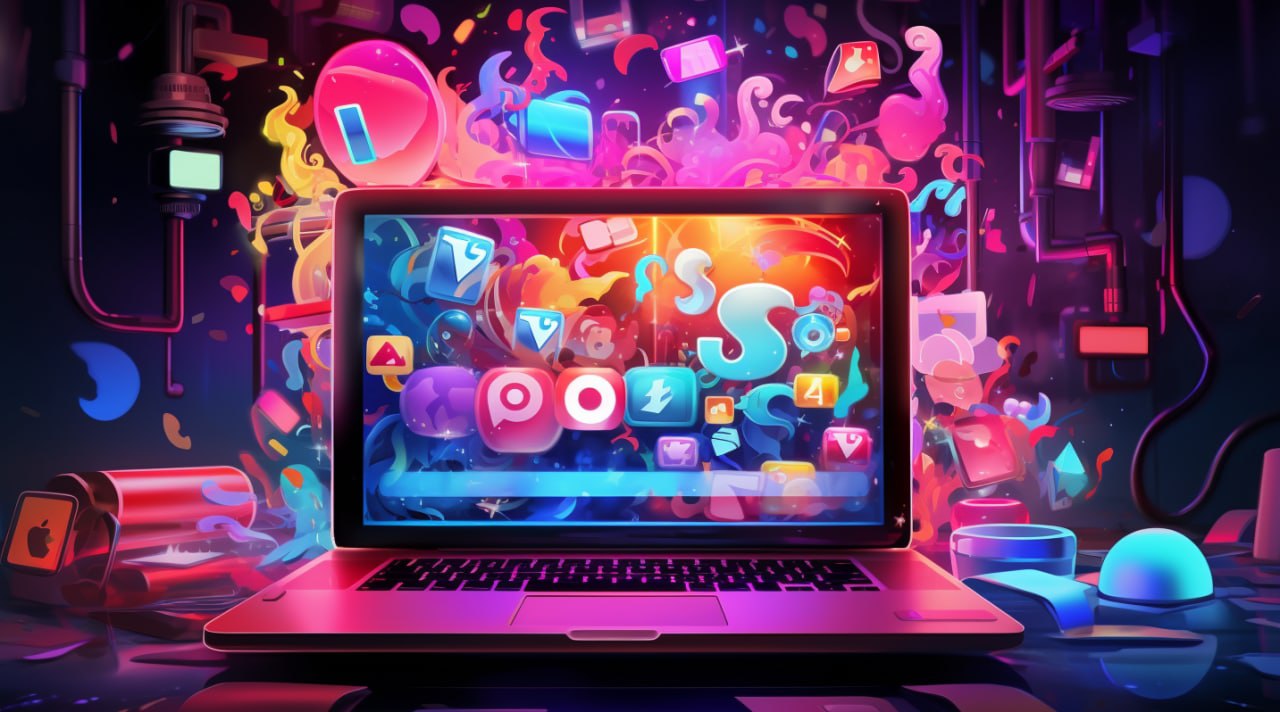
The emergence of Tamil language computing has revolutionized the way Tamil is used, learned, and communicated. Various software applications, fonts, and input methods have been developed, enabling seamless Tamil typing, text processing, and content creation. These advancements have made it easier for Tamil speakers to express themselves digitally, connect with others, and access Tamil content online.
Improved Literacy and Education
Tamil language computing has played a pivotal role in enhancing Tamil literacy rates and promoting education. With the availability of digital learning platforms, e-books, and interactive educational resources in Tamil, learners of all ages can engage with the language more effectively. Tamil language computing tools have made it easier for teachers and students to create and share content, conduct online discussions, and collaborate on projects, fostering a vibrant Tamil learning ecosystem.
Preserving Cultural Identity
Language is an essential vehicle for preserving cultural identity, and Tamil language computing has been instrumental in safeguarding Tamil culture and heritage. Digitization efforts have made it possible to archive and preserve ancient Tamil texts, literature, and historical records, ensuring their accessibility for future generations. This digital preservation not only safeguards the Tamil identity but also promotes research, academic exploration, and a deeper understanding of Tamil civilization.
Tamil, as the oldest living language, has proven its resilience over time by adapting to changing trends, incorporating technological advancements, and embracing language computing. The continued development of Tamil language computing tools and resources holds immense potential for further empowering Tamil speakers, enhancing literacy rates, preserving cultural heritage, and fostering a thriving Tamil digital ecosystem. As Tamil continues to evolve and flourish, it stands as a testament to the enduring power and beauty of language in connecting people and shaping identities.