
Tamil cuisine has undergone a remarkable evolution, moving from primarily consuming locally grown foods and traditional staples to embracing a mix of global flavours and trendy fast foods. While traditional three-course meals remain an integral part of our daily diet, modern influences have introduced new ingredients and culinary experiences, adding variety to the Tamil food landscape. This journey reflects more than just a change in taste—it represents a shift in culture, lifestyle, and even identity. Historically, Tamils adhered to a diet that mirrored their connection to the land, eating seasonally and locally. As we prepare for festival weekends, kitchens come alive with dishes brimming with ghee, sugar, and cashew-rich sweets. However, in earlier times, Tamil food was much more varied and rich in nutrients, symbolizing a deep-rooted connection with nature and tradition.
Tamil Nadu’s fertile landscape is traditionally divided into five distinct ecological zones—kurinji (mountainous regions), mullai (forests), marutham (farmlands), neithal (coastal regions), and palai (desert-like areas)—each of which historically contributed unique ingredients and dishes to the Tamil diet. In the past, food habits were closely tied to the natural resources available in these regions, resulting in a diverse culinary tradition. However, with advancements in transportation, increased exposure to different cultures, and the effects of globalization, food habits have become more uniform across the State. Today, people from all landscapes tend to eat a common spread of dishes on a daily basis, rather than meals specific to their region’s ecology.
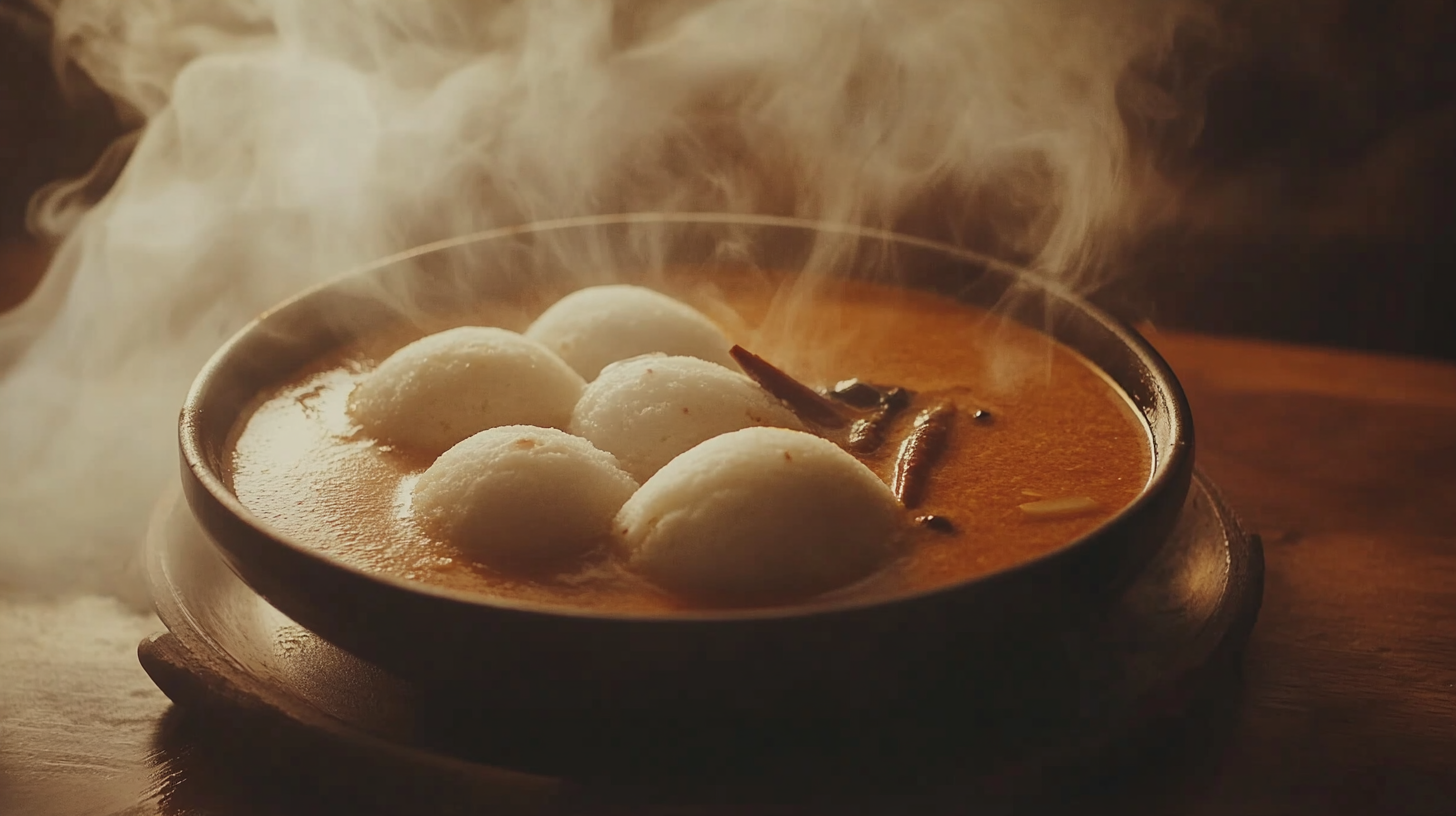
The now-favourite combination of idli and sambar has an intriguing history that reflects the evolution of Tamil cuisine. According to food historian K.T. Achaya, the modern idli likely originated in Indonesia, evolving from a dish called kedli, with cooking techniques introduced by cooks accompanying Hindu kings between the 8th and 12th centuries. Meanwhile, sambar was invented in the royal kitchen of Shahuji Maharaj during the Maratha rule in Thanjavur, between the 17th and 19th centuries, when he substituted tamarind for kokum in an attempt to replicate a Maharashtrian dish. The pairing of soft, fluffy idlis with tangy, spicy sambar has since become synonymous with South Indian breakfasts, celebrated for its harmonious blend of flavors and textures. Beyond its deliciousness, this combination serves as a balanced meal, embodying the essence of a wholesome breakfast that is enjoyed almost every morning in Tamil households.
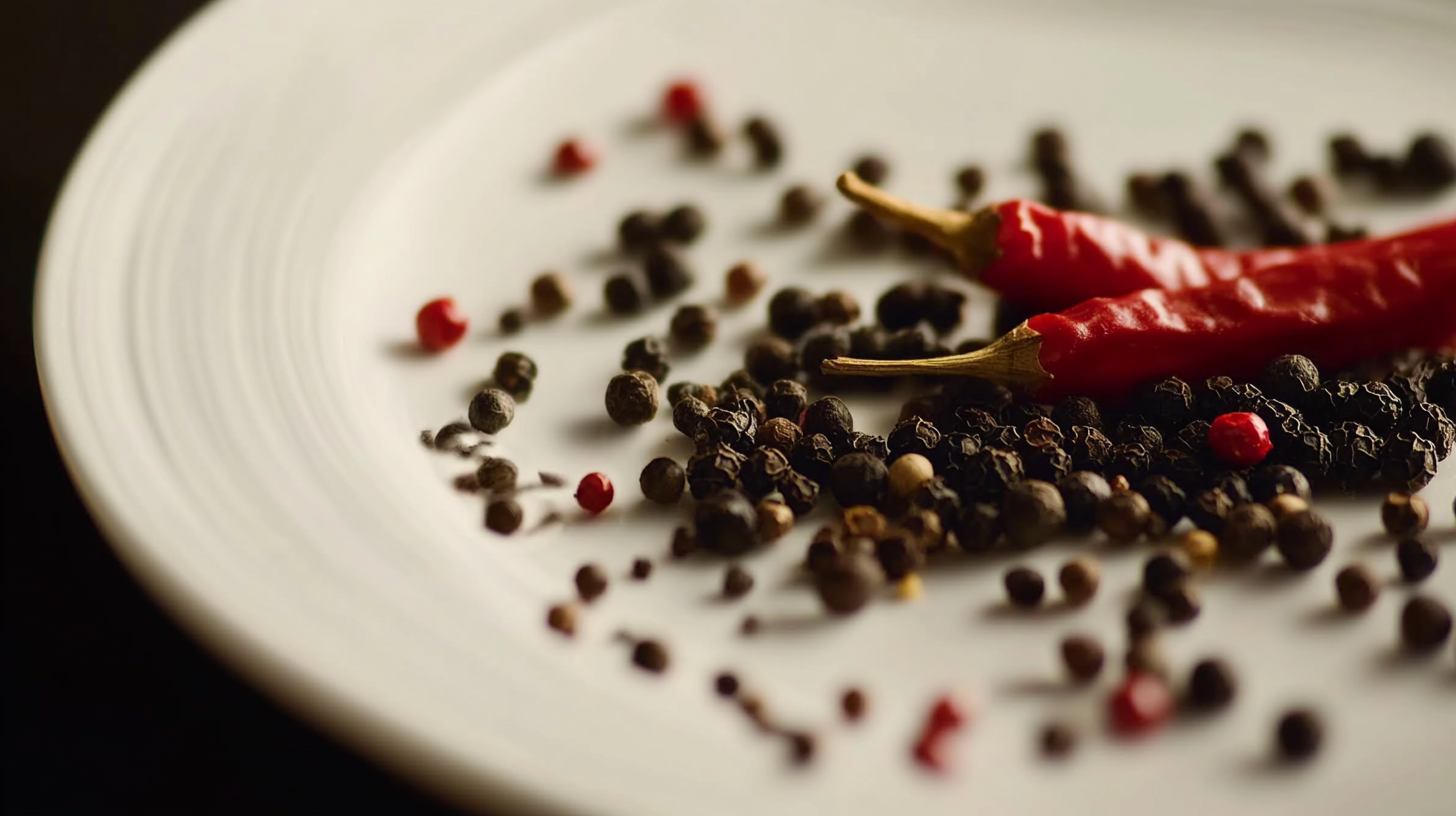
Before the British colonial period, Tamil kitchens primarily used black pepper as their main spice, valued not only for its flavour but for its medicinal properties. The introduction of chillies, a now-essential ingredient, came through colonial trade. The British, eager to profit from the spice trade, exchanged cheaply acquired chillies for India’s valuable pepper. This historical event even gave rise to a popular Tamil phrase, “molaga arachutan,” which translates to “he fooled you by selling chillies.” The phrase is commonly used to describe someone who has been deceived or outwitted, drawing on the story of how the British introduced cheap chillies to replace the more valuable pepper, tricking locals into accepting an inferior product in exchange for their prized spice. Despite this, chillies have become a fundamental part of Tamil cooking, often overshadowing the use of pepper.
Traditional Tamil cooking techniques included sautéing, steaming, and roasting, with very little reliance on deep frying. However, the advent of deep-fried foods can be traced back to the 15th century when the Vijayanagara Empire ruled over Tamil Nadu. This period marked a significant cultural shift, impacting not only the food but the entire lifestyle of Tamils. Groundnut oil, which was introduced around this time, became a key ingredient, allowing for deep frying to enter the culinary scene. The influence of the Vijayanagara Empire also brought festivals like Deepavali to Tamil culture. Over time, Deepavali has become one of the most commercialized festivals in Tamil Nadu, evolving from a simple celebration to an event dominated by sweet treats and fried snacks.
The excessive consumption of sugary sweets, now common during festivals and celebrations, is a relatively modern development in Tamil cuisine. Historically, jaggery—a healthier, unrefined sweetener—was predominantly used in traditional sweets. While refined sugar became more prevalent later, the Bhakti movement of the 7th century also contributed to the popularity of many temple offerings, though these were primarily made with jaggery. As temple traditions became more established during this period, several dishes offered to deities as prasaadham (blessed food) gained widespread popularity and became integral to everyday Tamil cuisine.
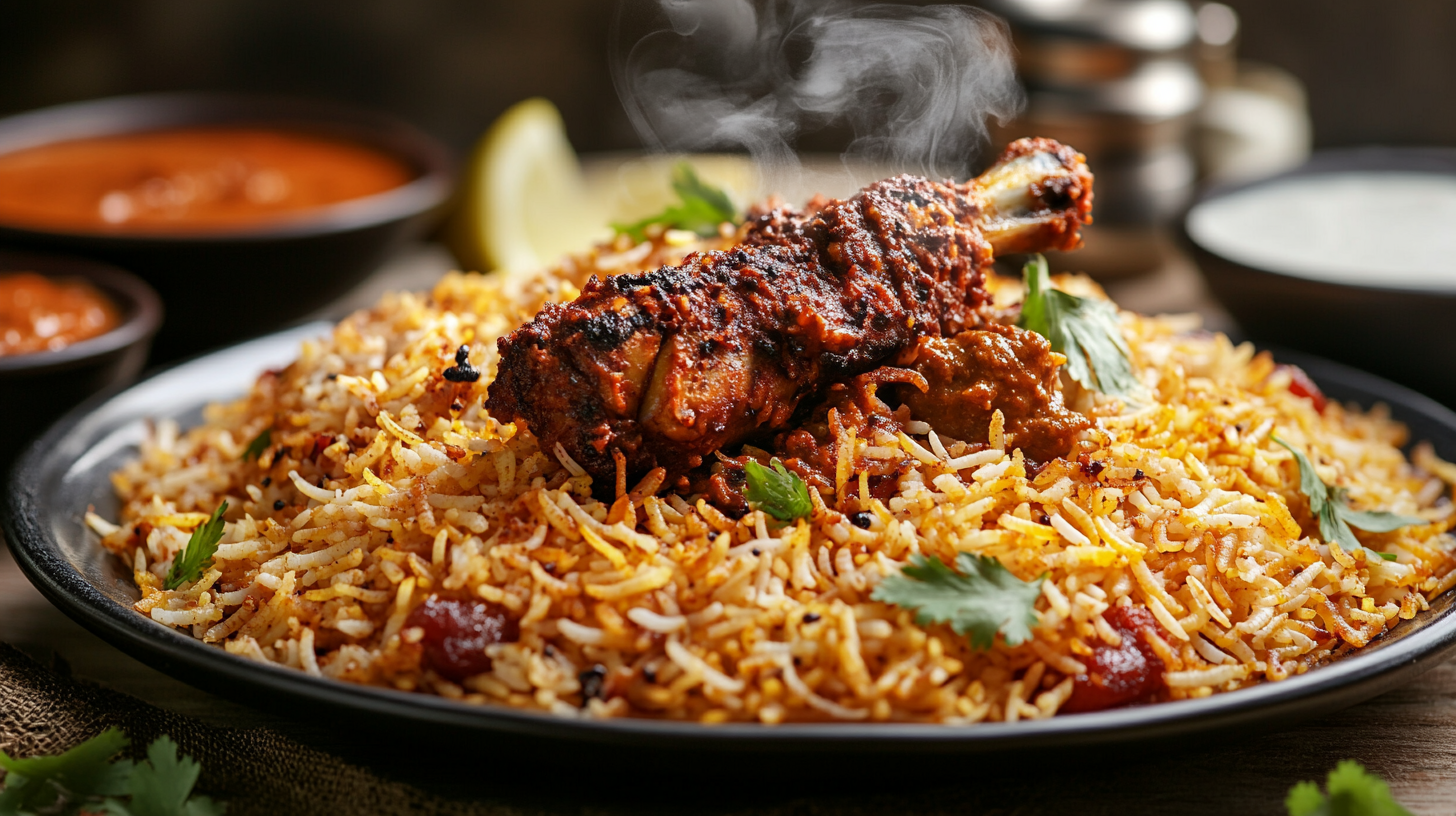
Biryani, a dish now beloved across Tamil Nadu, was introduced during the Mughal period. This flavorful Persian rice dish was adapted to local tastes and quickly became a staple, especially in urban centers. Long before the introduction of biryani, we had a similar dish known as “oon soru” (ஊன் சோறு) —where “oon”(ஊன்)refers to meat and “soru”(சோறு) to cooked rice. This rice dish, prepared with meat, was traditionally served to soldiers during wartime, providing them with sustenance and strength in battle.
Fryums, known as vatral(வற்றல்) in Tamil, are a beloved staple in Tamil cuisine, showcasing the region’s clever food preservation techniques. Made from rice flour, these sun-dried snacks are crisp and flavourful, often enjoyed as a side dish or a tasty snack on their own. The tropical climate of Tamil Nadu is ideal for sun-drying, allowing households to create and store these long-lasting fryums. In coastal regions, the tradition extends to sun-dried fish, or karuvaadu, which provides a savoury addition to meals, and uppukandam, sun-dried meat that offers a rich source of protein. Complementing this practice, pickles made from a variety of vegetables and fruits are also integral to Tamil meals. Infused with spices, these pickles provide a burst of flavour that elevates everyday dishes. Fryums, pickles, and sun-dried proteins are especially important during the rainy season when families depend on their stored provisions, as outdoor access may be limited. This practice not only reflects resourcefulness but also highlights the cultural significance of preserving the rich flavours of Tamil cuisine. These food items have remained an integral part of Tamil meals for over 2,000 years, continuing to enrich the culinary heritage of the region.
The introduction of coffee and tea during British rule signalled not only a change in diet but also a transformation in social practices. These beverages became woven into the fabric of Tamil life, influencing everything from daily routines to social gatherings. Even today, it is not uncommon to see people sipping hot tea or coffee during scorching afternoons, a habit that speaks to how deeply these drinks have embedded themselves in Tamil culture. In cities like Madurai, teashops stay open late into the night, offering a place for conversation and community, long after other businesses have closed.
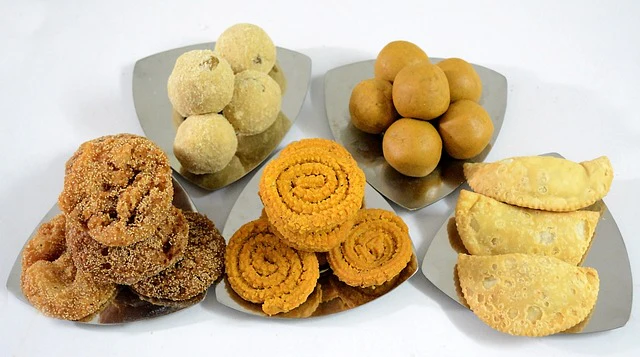
While oats, cornflakes, noodles, and continental dishes have become part of our modern diets, when it comes to festivals, Tamil people continue to cherish the timeless flavours of traditional snacks. Delicacies like adhirasam(அதிரசம்), thenkuzhal(தேன்குழல்), seedai(சீடை), achumurukku(அச்சுமுறுக்கு), kozhukattai(கொழுக்கட்டை) and paayasam(பாயசம்) remain an integral part of our festive feasts, carrying forward the rich culinary traditions that have been lovingly preserved across generations.
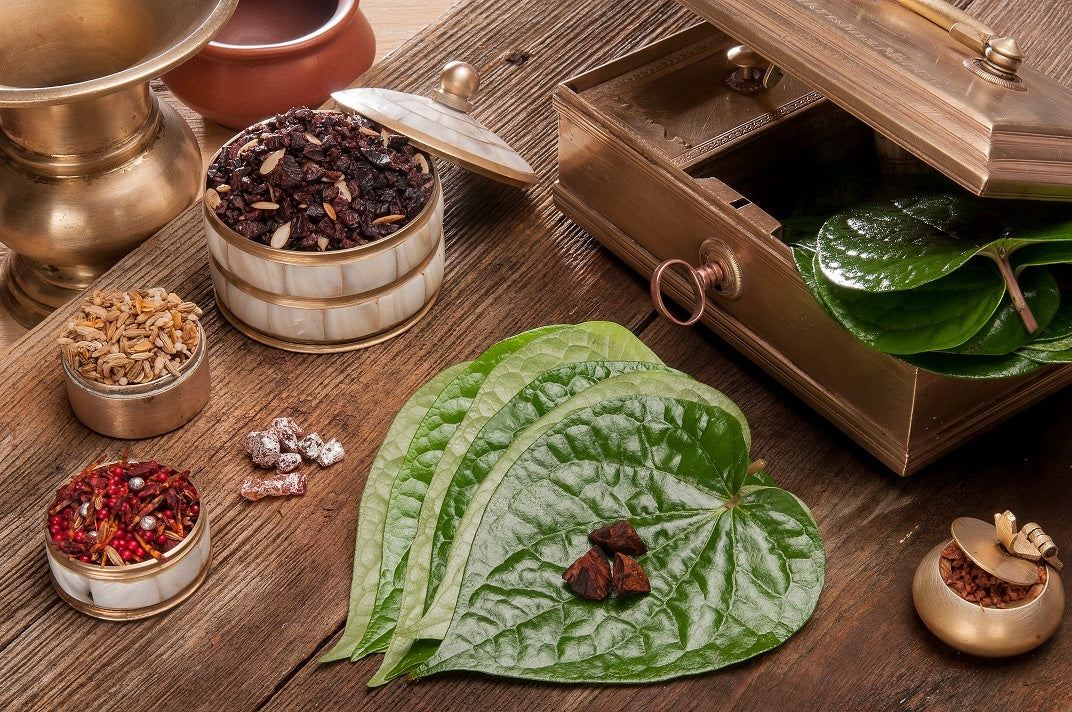
Some Tamil culinary traditions date back thousands of years, with betel leaf chewing being one of the oldest. This ancient practice, traced as far back as 2500 BC, has been discovered at multiple archaeological sites in Tamil Nadu, including Adichanallur and others, where burial urns and skeletal remains provide evidence of betel chewing from as early as 905 BCE. The use of special boxes for storing betel leaves and areca nuts further underscores the cultural significance of this practice, which has persisted through millennia and remains an integral part of Tamil culture today.
Tamil cuisine reflects the region’s history, shaped by geography, foreign influences, and cultural changes. Like many cuisines worldwide, it serves as a record of the community’s traditions, values, and experiences, embedded in each ingredient, dish, and culinary practice. From the use of local produce to the introduction of spices through trade, each element of Tamil cooking carries significance. This diversity highlights the adaptability of Tamil people while also preserving culinary practices developed over centuries. Consequently, Tamil cuisine is a dynamic part of our heritage, evolving over time while maintaining connections to its past and contributing to the region’s cultural identity.